GLP-1s and the Power of the Prescriber
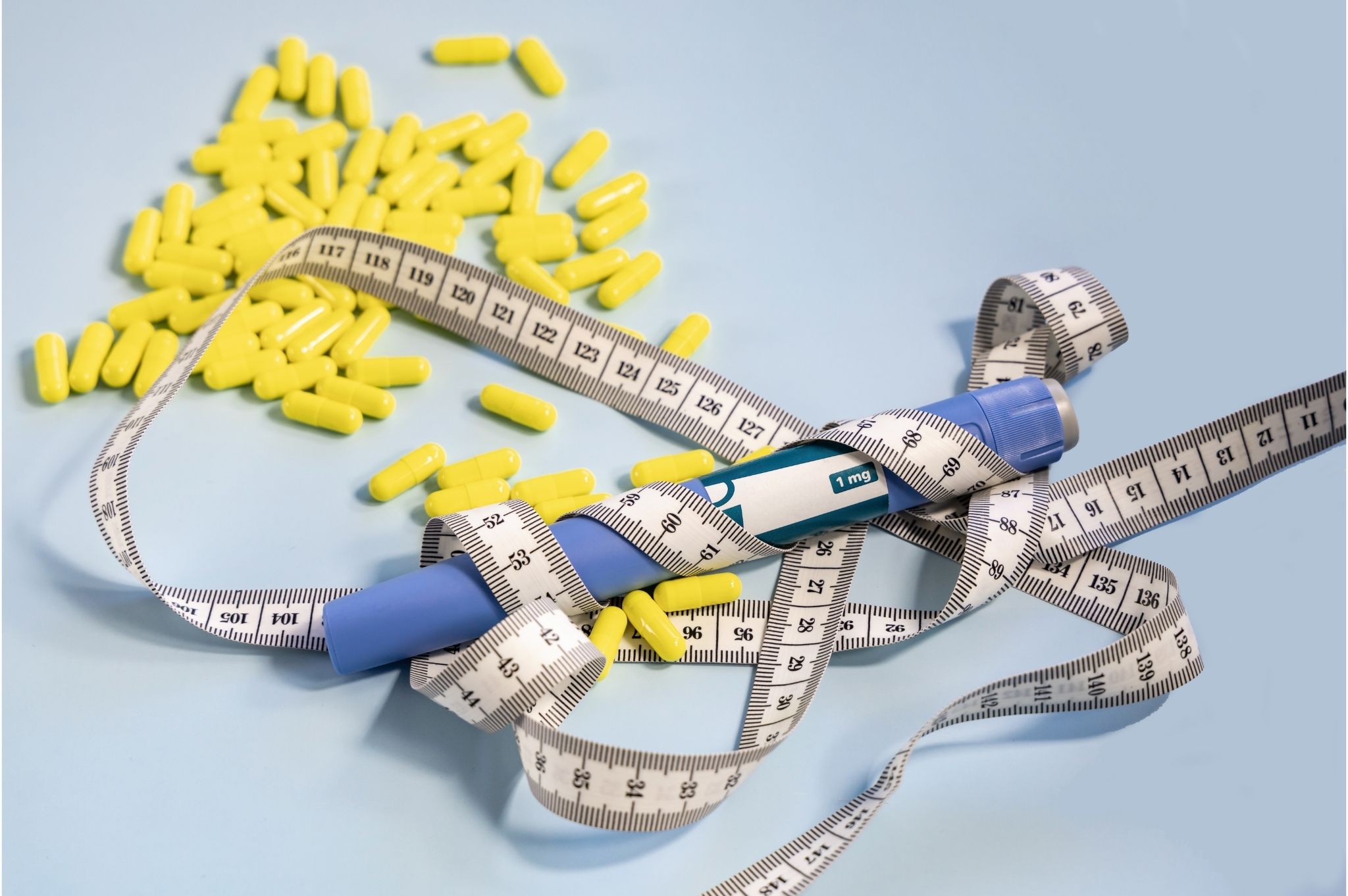
In our practice, we offer medically monitored weight loss using GLP-1s such as Mounjaro, Wegovy and Novio, and we have been involved in research on these medications. We track progress with our Fit3D Pro scanner and build a dedicated, engineered plan for each patient instead of a spray-and-pray approach. Like every medication in healthcare, these come with side effects and risks, and those need to be evaluated alongside the benefits.
I have no doubt we will keep seeing a large number of patients get healthier on these medications, and I'm happy to support every one of our patients along the way. Recently, though, we've seen more patients with significant side effects, more patients worried about side effects, and more patients who want to come off these medications and still keep the weight off.
We plan to publish case studies of patients who have succeeded, ranging from early adolescence to our oldest patient at 89. We are a small clinic, but I believe the data we are gathering with the 3D scanner will help add to the benefits of GLP-1s, with or without medication. My hope is that if we treat food as medicine, we may need less medicine, and that matches what we've seen. Most of our patients who care about longevity and real health want the time to sit down and talk, thorough labs, and an honest review of every option available to them.
We've learned from past medications that long-term studies sometimes turn up problems no one accounted for. The concern we see with GLP-1s is the loss of lean muscle mass, relative to fat, during the weight-loss phase. Patients may lose 10 to 20 percent of their body weight, but how much of that is fat and how much is lean muscle? We hope to shed light on that and offer a data-driven way to help patients with true clinical obesity, meaning body fat above 20 percent for men and 25 percent for women. That appears to be the line in the sand for higher risk of metabolic syndrome, hypertension, diabetes, and early cardiovascular and coronary disease. It's important to talk about risk-reduction methods that people from all walks of life can actually use.

My hope is to have hard data showing that medically monitored weight loss, done in the right setting with the right shepherd, gets great results that last. We see patients regain weight fairly quickly once they're weaned off a GLP-1, and the studies done so far show the same thing. Staying on a medication for the rest of your life is a tall ask, especially if life changes mean you can no longer afford or tolerate it. When that happens, body fat percentage tends to climb.
I suspect that rampant GLP-1 use, along with direct prescribing and availability through Eli Lilly and Amazon, will lead to a larger epidemic of sarcopenic obesity. These are patients with a lower BMI but a higher percentage of body fat. I also suspect that extra body fat, with the increased estrogen and toxins that come with it, may raise rates of metabolic syndrome, diabetes and hypertension even in patients with a normal or low BMI. For older patients, this could mean a higher risk of falls and weakness from lost core strength and lean muscle. I think lean muscle mass is an important predictor, and it should be monitored and evaluated during any GLP-1 therapy. Our 3D scanner is also being used by people who are not patients of our practice, and I encourage anyone on this path to get the data they need to help themselves.
Importantly, Pacific Senior Group and I have never entered into a consulting or financial relationship with any GLP-1 manufacturer, and we have no financial interest in these drugs. I encourage every patient to look up their prescriber and see whether there might be other reasons they're pushing certain medications.